How Much Should You Budget for Oshikatsu? A Money Guide for Fans in Japan
 Kona5 min read
Table of contents
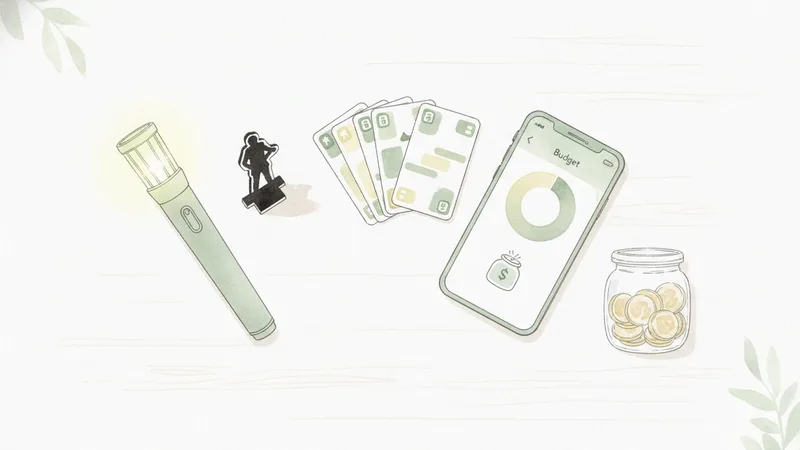
Supporting your fave is one of life's real joys. But between concert tours, merch hauls, and in-app spending, it's easy to reach the end of the month and wonder where your money went. If you don't want to quit — you just want to stop the regret — this is for you.
The short answer: set money aside first, then make it visible
A sustainable oshikatsu budget is 10–15% of your monthly take-home pay, set aside on payday and reviewed once a month across four categories: tickets, merch, travel, and in-app spending.
The difference between people who burn out financially and those who keep going for years isn't willpower — it's whether they have a system. Move the money before you spend it, and glance at the breakdown once a month. That loop removes the guilt. Without it, no matter how much you earn, it somehow never feels like enough.
How much do people in Japan actually spend?
A January 2026 survey of 1,000 people (ages 15+) by Oshi-Katsu Research Lab found the following monthly spending distribution:
| Monthly spend | Share |
|---|---|
| Under ¥1,000 | 25.3% |
| ¥1,000–¥5,000 | 28.7% |
| ¥5,000–¥10,000 | 20.3% |
| Over ¥10,000 | 25.7% |
Source: Oshi-Katsu Research Lab survey (Jan 2026)
About three-quarters stay under ¥10,000 a month, but one in four spends over ¥10,000. A separate June 2025 survey by For-it (500 people, ages 20–69) found a stark age divide in how many fans keep spending under ¥5,000 a month:
Source: For-it oshikatsu spending survey (June 2025)
The big spenders are concentrated in their 20s. In the same survey, 31.0% of fans in their 20s spent over ¥30,000 a month — the highest of any age group — and Video Research's February 2026 survey confirmed the pattern, with ¥100,000+ monthly spenders most common among 20-somethings (Video Research).
The thing to watch out for: "everyone spends about this much" is a comforting thought, but averages don't set your ceiling. Your take-home does.
Setting your budget: work backward from take-home
How much is actually okay to spend? I'd recommend capping it at 10–15% of your monthly take-home pay.
| Monthly take-home | 10% (conservative) | 15% (comfortable) |
|---|---|---|
| ¥80,000 (part-time student) | ¥8,000 | ¥12,000 |
| ¥180,000 | ¥18,000 | ¥27,000 |
| ¥250,000 | ¥25,000 | ¥37,500 |
Why a percentage instead of a fixed yen amount? A fixed number breaks the moment your income drops. A percentage adjusts automatically. If you're unsure, start at 10%. You can always raise it next month.
Starting point
Take-home × 10% = your oshikatsu budget. Move that amount to a separate place on payday. If it feels tight, bump to 15% next month.
If your fixed costs are eating into this budget, trimming your phone plan and subscriptions is the fastest way to free up cash.
 Related readRealistic Money-Saving Tips for College Students (Start With Fixed Costs)
Three systems to stop overspending
Even with a budget, if everything sits in one account, you'll spend whatever's there. What works is separating the money physically.
- Open a dedicated oshikatsu account or app balance: move your budget there on payday and spend only from it
- Put tickets and in-app charges on one card: the statement becomes your oshikatsu ledger automatically
- Set a per-event cap: draw a line like "¥5,000 max on merch per show" so a hot moment doesn't blow the budget
Starting even one of these helps. Better to just open a dedicated balance than to attempt all three and quit. Relying on a system is way easier than relying on willpower.
Caution
Digital spending — gacha, Super Chat, app subscriptions — is where oshikatsu budgets quietly balloon. Use the spending-limit features in your app store to put a hard monthly cap on in-app purchases.
Make spending visible: the 4-category review
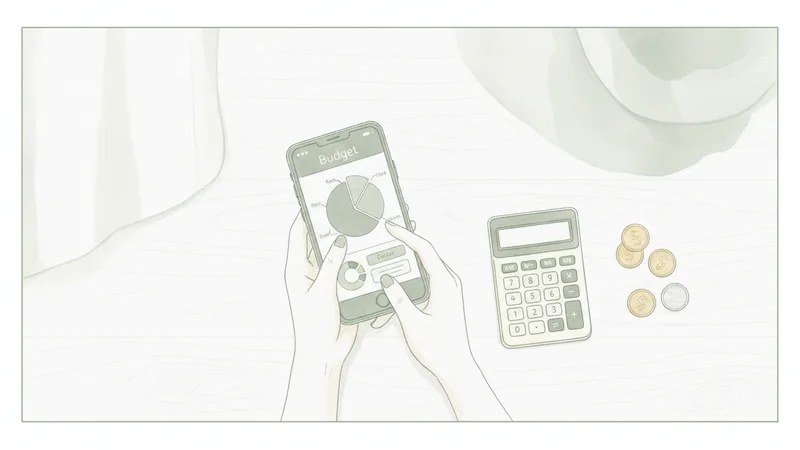
With a budget and a system in place, the last piece is the review. No need to log every yen daily. Once a month, tally four rough buckets and compare to your budget.
| Category | What's included | How to check |
|---|---|---|
| Tickets | Concerts, events, stage shows | Card statement |
| Merch | Official goods, trading cards, doujinshi | Photo your receipts |
| Travel | Transport, hotels for tours | Booking app history |
| In-app | Gacha, Super Chat, subscriptions | App purchase history |
Once it's visible, your "worth-it" spending separates from your "why did I" spending. You loved the show, but the merch you grabbed on impulse is gathering dust at home — spot that pattern and you'll cut it without hesitation next time. What you cut isn't joy; it's just the low-satisfaction spending.
3-minute month-end review
Total each of the 4 categories and compare to your budget. If one ran over, just watch that one next month. That alone stabilizes spending.
Don't lose money on group tours and joint buys
Oshikatsu money isn't always solo. You split travel and hotels for concert tours, or bulk-buy merch and trading cards to divide up later. These "money moving between friends" moments quietly drain everyone's wallet.

On the train home from a concert trip, it was the usual: "wait, who booked the hotel?" "did I already send you the ticket money?" In our case, someone said "I'll send it later" on LINE and six months went by. It was only a few thousand yen, but somehow nobody wanted to bring it up.
It happens because who paid what gets fuzzy, and nobody tracks the group total, so everyone's sense of spending drifts. The fix is simple — jot costs down on the spot, whether it's a note or a splitting app, and settle up while the numbers are fresh. If larger sums move between friends, it's also worth knowing how gift tax works with group reimbursements — Japan's ¥1.1 million annual threshold rarely applies to fan expenses, but awareness helps.
FAQ
Q. What's a normal monthly oshikatsu budget?
About three-quarters of fans in Japan spend under ¥10,000 a month on oshikatsu. But you don't need to match "normal." Start by capping at 10–15% of your take-home pay and adjust from there.
Q. I have more faves now and my budget won't stretch
Set one total oshikatsu budget first, then divide among your faves. Adding a separate open-ended amount per fave guarantees a blowout. Keep the overall cap fixed and shift the weighting month to month.
Q. How do I balance saving money and oshikatsu?
Order your priorities: savings → oshikatsu budget → live on the rest. Locking in savings first and then spending freely within the remainder lasts far longer than constantly guilt-tripping yourself about every purchase.
Wrapping up
Oshikatsu isn't something to endure or feel guilty about. Set your cap, move the money to a separate place, and review once a month — those three steps remove the regret from spending.
Start on your next payday by moving 10% of your take-home into an oshikatsu fund. For group expenses, getting into the habit of recording costs on the spot removes the awkwardness entirely. The secret to supporting your fave for years? Not willpower — a system.
Related articles
Money Tips
How Much Can You Save in Your First Year Working in Japan? A Data-Driven Guide
July 4, 2026
Money Tips
How Much Does a Concert Trip Cost in Japan? A Guide to Saving and Splitting Travel Expenses
July 4, 2026
Money Tips
How Much Does It Cost to Live Alone as a College Student in Japan? A 13,000-Person Survey Breakdown
July 4, 2026