How to Choose a Hardware Wallet — Securing Your Crypto in Japan
 Kona6 min read
Table of contents

If you bought crypto in Japan, chances are it's still sitting in your exchange account. In 2024, DMM Bitcoin — one of Japan's licensed exchanges — lost 48.2 billion yen (about $310 million) in Bitcoin to hackers. The company shut down the following year. "My exchange is fine" is a comforting thought, but it's not a guarantee.
The Bottom Line — A Hardware Wallet Is Your Personal Vault
A hardware wallet keeps your private keys on a dedicated offline device, completely isolated from the internet, making it one of the most reliable ways to protect your crypto from exchange hacks.
It sounds technical, but the actual experience is closer to "plug in a USB device and follow the on-screen setup." Entry-level models cost around 12,000 to 18,000 yen (roughly $80–$120). Compared to the risk of losing everything in an exchange breach, that's a reasonable insurance premium.
If you're not sure where to start, either the Ledger Nano S Plus or the Trezor Safe 3 will serve you well. Both cost under 20,000 yen and support all major cryptocurrencies.
Why Leaving Crypto on an Exchange Is Risky
Japan has seen multiple major exchange breaches, and the amounts keep growing.
| Incident | Year | Amount Lost | Aftermath |
|---|---|---|---|
| Mt. Gox | 2014 | ~850,000 BTC (~$480M at the time) | Bankruptcy. Creditor repayments started in 2024 — a decade later |
| Coincheck | 2018 | ~58 billion yen (526M NEM) | Full compensation. Cause: hot wallet management |
| DMM Bitcoin | 2024 | ~48.2 billion yen (4,502.9 BTC) | Attributed to North Korean hackers (FBI/NPA joint statement). Company closed in 2025 |
Sources: NPA/FBI joint statement on DMM Bitcoin (NHK, Dec 2024), company disclosures
The DMM Bitcoin breach started when a contractor's employee received a fake job offer on social media and opened a malicious file. It wasn't a sophisticated zero-day exploit — it was social engineering.
Globally, the picture is even bleaker. According to Chainalysis's 2026 report:
Source: Chainalysis — Crypto Hacking Report 2026
In 2024, roughly 44% of all stolen funds came from compromised private keys — not smart contract vulnerabilities, but how keys were stored.
 Related readCrypto Tax Basics in Japan — What You Need to Know
Japan's Financial Services Agency (FSA) issued a formal request to JVCEA (Japan Virtual and Crypto Assets Exchange Association) in September 2024, calling for self-inspections against asset outflow risks. The regulator is taking this seriously.
Exchanges aren't inherently bad. But when you hold assets on someone else's server, you're trusting their security team, their employees, and their vendors — none of whom you can control.
How a Hardware Wallet Works — Why It's Secure
The security of a hardware wallet comes down to one thing: your private key never touches the internet.
Here's how it works. When you want to send crypto, your PC or phone creates an unsigned transaction and sends it to the device via USB. The device signs it internally using the private key, then sends only the signed transaction back to your PC. The private key itself never leaves the device.
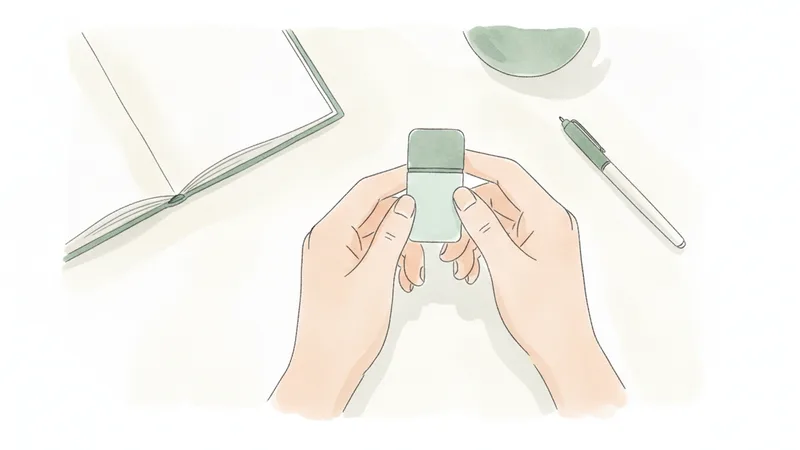
Even if your computer is infected with malware or a keylogger is running, your private key remains safe. This is the fundamental difference from software wallets like MetaMask, where the key lives on your internet-connected device.
Modern hardware wallets include Secure Element (SE) chips — the same tamper-resistant technology used in credit cards and passports. Even physically disassembling the device won't extract the key.
One important caveat: a hardware wallet protects your crypto, not the manufacturer's customer database. In 2020, Ledger's customer database was breached, exposing over one million email addresses and roughly 272,000 records of personal information. No crypto was stolen, but phishing attacks surged afterward. A hardware wallet is excellent security, but it's not magic.
Ledger vs Trezor — Comparing the Two Standards
The hardware wallet market is dominated by Ledger (France) and Trezor (Czech Republic). Both provide solid security, but their design philosophies differ significantly.
| Aspect | Ledger | Trezor |
|---|---|---|
| Source code | Firmware is closed-source | Fully open-source |
| Security approach | Hardware defense via SE chip | Transparency via third-party audits |
| Mobile support | Bluetooth (Nano X and above) | Safe 7 only |
| Buying in Japan | Direct from official site | Lightning Base (authorized Japanese reseller) |
Ledger trusts the chip. Trezor trusts the code. Neither approach is wrong — they're different bets on what "security" means.
Here's how the entry-level models compare in price and features:
| Model | Price Range | Display | Connection | SE Certification | Supported Coins |
|---|---|---|---|---|---|
| Ledger Nano S Plus | ~¥12,000–14,000 (~$80) | Monochrome OLED | USB-C | EAL6+ | 500+ |
| Ledger Nano X | ~¥22,000 (~$149) | Monochrome OLED | USB-C / Bluetooth | EAL5+ | 500+ |
| Trezor Safe 3 | ¥17,800 (~$79) | Monochrome OLED | USB-C | EAL6+ | 1,000+ |
| Trezor Safe 5 | ¥32,800 (~$169) | Color touch | USB-C | EAL6+ | 1,000+ |
Sources: Ledger official, Lightning Base (Trezor's authorized Japanese reseller)
Choosing your first device
For your first device, either the Ledger Nano S Plus or Trezor Safe 3 is a solid choice. Start with one of those, and upgrade later if you need Bluetooth or a touchscreen.
Managing Your Recovery Phrase the Right Way
When you first set up a hardware wallet, you'll be shown 12 to 24 English words. This is your recovery phrase (also called a seed phrase) — it can fully restore your wallet if your device is lost or broken.
The flip side: anyone who knows this phrase can access all your crypto.
Caution
Never do any of the following with your recovery phrase:
- Save it in a notes app or screenshot on your phone
- Store it in cloud services (Google Drive, iCloud, etc.)
- Send it to yourself via email or messaging apps
- Share it with anyone (neither Ledger nor Trezor will ever ask for it)
The right approach is simple: write it down physically and store it somewhere secure. Paper works, but if you're worried about fire or water damage, metal backup plates designed for this purpose are available.
The key principle is avoiding a single point of failure. If you store the phrase in only one place and that location is compromised — by fire, theft, or anything else — your crypto is gone. Keeping copies in two or more separate locations gives you resilience.
 Related readHow to Split Expenses with Crypto — Using the Stablecoin JPYC
Shamir Backup
Trezor also supports Shamir Backup (SLIP-39), which splits your seed into multiple "shares" — for example, five shares where any three are needed to restore the wallet. Even if one or two shares are stolen, your assets remain safe. It's an advanced option worth knowing about.
FAQ
Q. If my hardware wallet breaks, do I lose my crypto?
No. As long as you have your recovery phrase, you can restore everything on a new device. The device is just a container — the phrase is the actual key.
Q. Are there fees to move crypto from an exchange to a hardware wallet?
Yes, you'll pay a network fee (gas fee). For Bitcoin, this is typically a few hundred to a few thousand yen. A practical approach is to keep your trading funds on the exchange and move only long-term holdings to your hardware wallet.
Q. Are there options besides Ledger and Trezor?
Yes — Jade, Keystone, and SafePal are alternatives. However, given the larger user base, more extensive security audits, and better Japanese-language support, starting with Ledger or Trezor is the safer bet.
Q. How much crypto should I own before I need a hardware wallet?
There's no fixed threshold, but a useful rule of thumb is: "Would losing this amount affect my daily life?" A few tens of thousands of yen on an exchange is probably fine. Once you're past 100,000 yen, it's worth considering. The device costs under 20,000 yen, so the cost-to-protection ratio is quite good.
Wrapping Up
If you're holding crypto in Japan, deciding where to store it is a question worth addressing sooner rather than later. The history of exchange breaches makes the risk of custodial storage clear.
A hardware wallet isn't complicated. Buying one and trying it out is the fastest way to understand what self-custody actually means.
This article is for general informational purposes only and does not constitute investment advice or asset management guidance. Crypto asset management decisions are your own responsibility. Consult a qualified professional if you have specific concerns.