How Much Can You Save in Your First Year Working in Japan? A Data-Driven Guide
 Kona4 min read
Table of contents
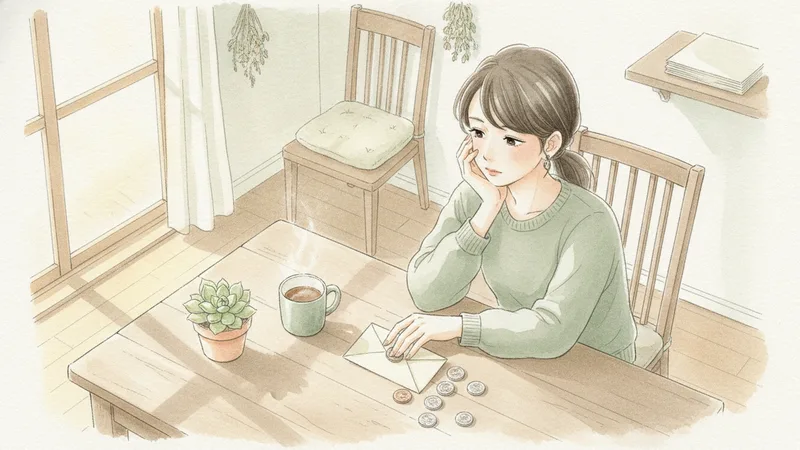
You know you should be saving, but after rent and living costs, how much is actually left? Before stressing over generic "save ¥50,000 a month" advice, let's look at what the numbers actually say for a first-year worker in Japan.
The bottom line: ¥20,000–30,000 per month if you live alone
A university graduate's take-home pay in Japan is roughly ¥200,000. Subtract the average monthly spending for single workers under 35 (¥176,160 from Japan's Household Survey), and you get about ¥24,000–34,000 in realistic monthly savings.
The ¥50,000-per-month target you see everywhere is achievable if you live at home — but for those renting their own place, starting at ¥20,000 per month through automatic transfers is a far more sustainable first step. The key is making it automatic so you never rely on willpower.
Reality check: one in three people in their 20s has zero savings
According to J-FLEC's 2025 Financial Behavior Survey covering single-person households in their 20s:
| Metric | 2024 survey | 2025 survey |
|---|---|---|
| Average financial assets | ¥1.61 million | ¥2.55 million |
| Median financial assets | ¥150,000 | ¥370,000 |
| Percentage with zero savings | 36.6% | 33.2% |
Source: J-FLEC "Financial Behavior Survey 2025" (single-person households)
One in three single people in their 20s in Japan has zero financial assets, and the median is just ¥370,000. The average is inflated by a small number of high-asset holders. The median tells the real story. Starting from zero in your first year is completely normal.
Calculating your monthly savings potential
Here's the math, using data from the Ministry of Health, Labour and Welfare (starting salary) and the Ministry of Internal Affairs (household spending):
| Item | Amount | Source |
|---|---|---|
| University graduate starting salary (gross) | ¥248,300 | MHLW Basic Survey on Wage Structure 2024 |
| Estimated take-home (after social insurance & tax) | ~¥200,000 | — |
| Average monthly spending, single workers under 35 | ¥176,160 | MIC Household Survey 2024 |
| Savings potential | ~¥24,000 | — |
Source: MHLW Wage Structure Survey 2024 / MIC Household Survey 2024
Living at home changes the picture dramatically since you skip rent and utilities entirely.
*Author's estimate based on ¥200,000 take-home pay and spending data from Japan's 2024 Household Survey (MIC).*
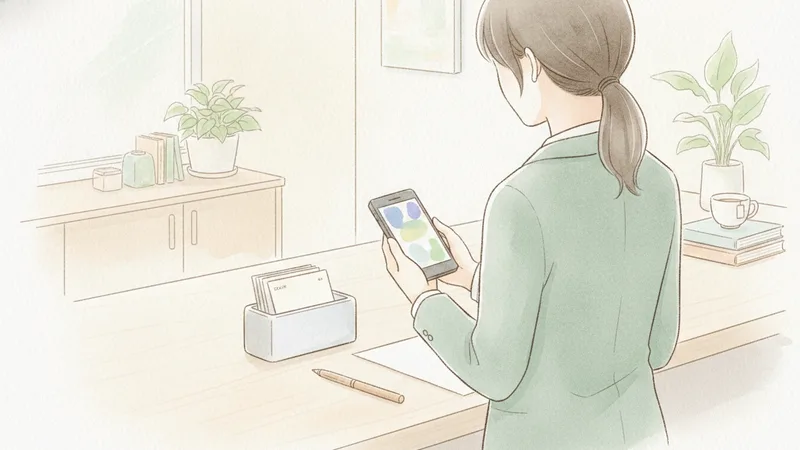
Even at the modest pace of ¥20,000 per month, you'll hit the median for singles in their 20s (¥370,000) within a year and a half. Living at home? You could reach it in five months.
Take-home varies by employer
Social insurance rates differ by company and salary grade. Your actual take-home could be ¥190,000 or ¥210,000 — check your first pay slip to get your real number.
How to automate "pay yourself first"
Relying on "whatever's left at the end of the month" almost never works. Set up an automatic transfer on payday instead.
Three steps:
- Open a separate savings account (an online bank works fine)
- Set up an automatic transfer for the day after payday (start at ¥20,000)
- Don't carry the savings account's debit card
Target 10% of take-home as your floor. At ¥200,000, that's ¥20,000. Once you're comfortable, raise it to 15% (¥30,000). Cutting fixed costs first — phone plan and unused subscriptions — frees up room to increase the amount without feeling the squeeze.
 Related readRealistic Money-Saving Tips for College Students (Start With Fixed Costs)
The year-two resident tax surprise
In your first year of work in Japan, you pay no resident tax (住民税) because it's based on the previous year's income — which was zero. Then one June in your second year, an unfamiliar line quietly appears on your payslip.
From June of your second year, resident tax deductions begin and reduce take-home pay by ¥7,000–15,000 per month. This isn't a pay cut — it's a delayed tax that was always coming. If you know about it in advance, you can absorb it. If you don't, it feels like your salary shrank overnight.
The fix: build your savings habit at a sustainable level in year one, and don't count on your year-one take-home as permanent. When the tax hits, your automatic transfer stays the same — you just tighten the variable spending slightly.
Resident tax math
Resident tax is roughly 10% of your taxable income from the prior year. On a starting salary of ¥248,300 × 12 months, after standard deductions, expect approximately ¥150,000–180,000 per year (¥13,000–15,000 per month) starting in your second June.
Don't let group spending drain your savings
Dinners, trips, and events with friends get more frequent once you start working. The real problem isn't the spending itself — it's losing track of who paid what and quietly absorbing costs you shouldn't.
If you let ¥5,000 in unreimbursed expenses slip by once a month, that's ¥60,000 a year — equivalent to three months of your ¥20,000 savings. Recording expenses on the spot and settling promptly keeps this leak near zero.
For a deeper look at how your entire first paycheck breaks down, check out how much take-home pay to expect from your first salary in Japan.
FAQ
Q. How much should a first-year worker in Japan save per month?
Based on the 2024 Household Survey, the gap between a graduate's take-home pay (~¥200,000) and average monthly spending for singles under 35 (¥176,160) is about ¥24,000. Start with ¥20,000 per month if living alone, or ¥50,000 if living with parents. Automate it on payday.
Q. Is it normal to have zero savings in your 20s in Japan?
Yes. J-FLEC's 2025 survey shows 33.2% of single people in their 20s hold zero financial assets. The median is ¥370,000. Starting from zero is common — what matters is starting the automatic transfer habit as early as possible.
Wrapping up
If you live alone, ¥20,000–30,000 per month is a realistic first-year pace. If you're at home, ¥50,000–70,000 is within reach. Don't compare yourself to the inflated "average" — the median is what matters. Set up one automatic transfer, forget the savings account exists, and let time do the rest. The year-two tax hit is the only surprise worth preparing for — and now you know it's coming.
Related articles
Money Tips
How Much Is Your JASSO Loan Payment? A Realistic Repayment Plan for New Graduates in Japan
July 4, 2026
Money Tips
How Much Should You Budget for Oshikatsu? A Money Guide for Fans in Japan
July 4, 2026
Money Tips
Your First Salary in Japan: Take-Home Pay, Spending Breakdown, and How to Budget
July 4, 2026