Theme Park with Friends: The Smart Way to Split Every Ticket, Meal, and Souvenir
 Kona4 min read
Table of contents
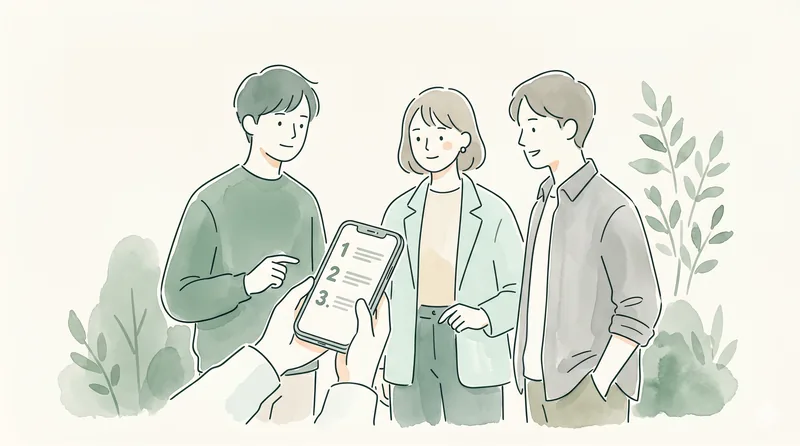
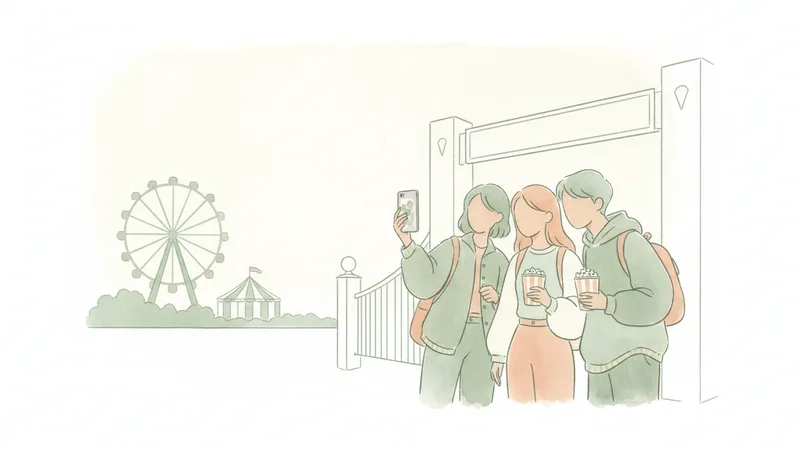
A full day at a theme park with a group is genuinely fun — until it's time to figure out who owes whom. Entry tickets, parking, lunch, afternoon snacks, dinner, a few impulse souvenir buys — by the time you're driving home, the total payment count for your group is somewhere between six and ten.
The fix takes five minutes before you leave: agree on the ground rules and set up a shared group. Do that, and the post-trip settlement comes down to a handful of transfers.
Why Theme Parks Are Tricky for Group Payments
Three things make theme park expense splitting harder than a regular dinner:
Many payment categories
Entry tickets, parking, meals, snacks, merchandise, optional rides or fast-pass upgrades — a single-day park visit can easily run $100–$200 per person once it's all added up. The variety makes it easy for things to fall through the cracks.
Payments spread throughout the day
From the morning ticket purchase to the post-close dinner, your group makes financial decisions all day long. "We'll figure it out later" starts as an intention and ends as a problem.
Mix of group and individual purchases
Some things, like entry tickets and shared meals, clearly belong in the group total. Others — that specific plushie someone bought, the premium fast-pass only two people wanted — are murkier. Without a rule in place, every purchase becomes a small negotiation.
Example: A Full Day at a Theme Park, 4 People
Shared expenses breakdown
| Category | Details | Amount (4 people) | Paid by |
|---|---|---|---|
| Entry tickets | Adult 1-day × 4 | $240 | A |
| Parking | Full day | $20 | A |
| Lunch | Group restaurant | $80 | B |
| Dinner | Evening restaurant | $95 | C |
| Snacks | Popcorn, drinks throughout | $35 | D |
Note: Ticket prices at major parks use dynamic pricing — the figures above are rough 2026 weekday estimates and vary by date. Train or bus fares often differ person to person and are best handled individually. Total shared expenses: $470 — split four ways, that's about $118 each.
How to Run It with WariSaku
Five Minutes Before You Leave
Three things before departure
Create a WariSaku group and add everyone's names. Paste the URL into your group chat. Then agree on what's shared and what's personal — before anyone buys anything. A simple rule like "entry, parking, and all meals are shared; individual merchandise and solo snacks are personal" prevents every borderline purchase from becoming a conversation.
During the Day
For large payments like tickets and meals, log them on the spot. For small snack purchases, it's fine to batch them — jot them down between rides and enter them when you have a moment.
Because everyone has the group URL on their phone, the person who paid something can log it themselves. You don't need one person tracking everything.
When You Get Home
Open WariSaku's Settlement view. It shows who owes whom and how much, already optimized by the minimum-settlement algorithm. For a group of four, the settlement never takes more than three transfers. The math behind that ceiling is explained in how the minimum-settlement algorithm works — then everyone settles up via PayPay, Venmo, bank transfer, or whatever your group uses.
Handling Merchandise and Optional Add-Ons
When Someone Pays for Others' Souvenirs
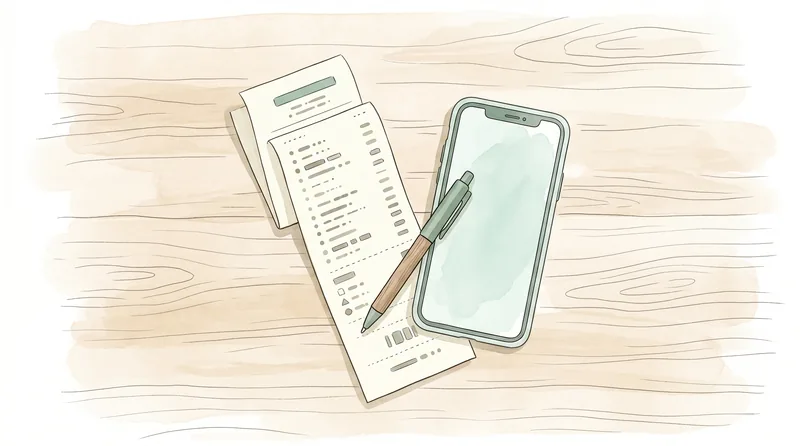
It's common for one person to pay for a few items at once in the gift shop. WariSaku lets you specify exactly which members a transaction covers — so if A bought souvenirs for B and C but not D, just tag B and C as the covered members. The split applies only to them.
Optional Tickets (Fast Passes, Upgrade Experiences)
Not everyone will want every optional. The cleanest approach is to decide the policy before buying:
- Everyone's in: log it as a group expense, split evenly
- Some people only: tag only the participating members
- Each person decides: don't log it at all — each person pays for their own
If the group includes children with discounted tickets or adults with different financial situations, WariSaku's weighted splitting feature lets you assign different ratios — so someone on a half-price ticket pays roughly half of the entry-ticket portion. Setting up multipliers is covered in the advanced-features section of the WariSaku four-step guide.
Frequently Asked Questions
Q: What if the park has spotty Wi-Fi in some areas?
WariSaku works offline for viewing cached data. Adding new entries requires connectivity. The practical workaround: log big payments (entry, lunch) immediately, and log smaller purchases when you're in a restaurant or waiting area with solid signal.
Q: What if someone joins late or leaves early?
WariSaku lets you choose which members each expense covers. If someone arrives in the afternoon, include them only in afternoon entries. For someone who leaves after lunch, exclude them from dinner. The settlement automatically reflects the adjusted amounts.
Q: Do we have to settle up that same day?
No. The group stays active indefinitely. Log everything before you leave the park, then settle whenever is convenient — that evening, the next day, whenever. The record doesn't go anywhere.
Wrap-Up
What actually wears a group down at a theme park isn't the spending — it's making the "is this shared?" call over and over all day. Theme park splitting comes down to two things: agree on the rules before you leave, and log payments as they happen. Once the rule exists, the day is just recording; the math belongs to the algorithm.
When you book the park tickets, create the WariSaku group in the same sitting and drop the URL in the chat. One less thing to do on the morning of.
Related articles

Travel & Events
Group Travel Made Easy: 3 Real Scenarios Where WariSaku Handles the Splitting
May 28, 2026
Travel & Events
International Trip with Friends? Here's How to Handle the Currency Chaos
May 28, 2026
Travel & Events
Group Dinner Payments Without the Chaos: A Practical Guide for Organizers
May 28, 2026