How to Keep Shared-House Expenses Fair Month After Month
 Kona5 min read
Table of contents

Shared housing works out great — right up until the conversation about who owes what for electricity. Managing shared expenses across multiple housemates over months and years is one of those problems that seems simple but has a lot of ways to go quietly wrong.
The fix needs exactly three pieces: clear expense categories, a monthly settlement cycle, and agreed usage ratios. Build those once, and the system runs itself month after month.
Why Shared-House Expense Management Goes Wrong
Three things tend to derail it:
Housemates come and go. Unlike a flat you share with the same roommate for years, shared houses often see someone move out or in every few months. Every transition requires recalculating splits and making sure any outstanding amounts get settled before departure.
Usage varies by person. The person who works from home uses a lot more electricity and water than the one who's barely there on weekdays. Equal splitting feels unfair, and eventually someone says so.
Expenses across many categories. Electricity, water, internet, shared groceries, cleaning supplies, toilet paper — each one may be paid by a different housemate in a different month. Without a system, nobody has a clear picture of who's paid what.
Designing a Monthly Cycle
The simplest sustainable approach is: log as you go, settle once a month.
A shared-house money cycle that lasts: review the month's expenses together on the 25th, and finish all transfers by the last day of the month.
The cycle in practice:
- Throughout the month: Whoever pays for a shared expense logs it in WariSaku right away
- 25th of the month: Everyone checks the group, reviews the list, flags anything that looks off
- By month end: Transfers are made based on WariSaku's settlement view
The reason "log immediately" matters: if you leave it until the 25th to record a month of purchases from memory, you'll miss things. The entries take ten seconds. The reconciliation at month-end takes ten minutes.
Expense Categories for a 4-Person Shared House
Here's a practical breakdown of what to track and what to expect:
| Category | Typical monthly cost | Notes |
|---|---|---|
| Electricity | $100 | Varies by season and usage |
| Water | $35 | Often billed every 2 months — log half each month |
| Internet | $35 | Fixed monthly |
| Shared groceries (staples, condiments) | $65 | Whoever does the shopping logs it |
| Household supplies (detergent, paper goods) | $35 | Same |
| Total | ~$270 | ~$68 per person |
When everyone can see the breakdown in shared numbers, the vague "this feels expensive" gets replaced with actual data — which makes budget conversations much easier.
With WariSaku, any housemate can log a purchase using the shared group URL. At the end of the month, the minimum-settlement algorithm works out the most efficient transfers automatically — at most 3 for a 4-person house, often fewer.
Handling Different Usage Levels
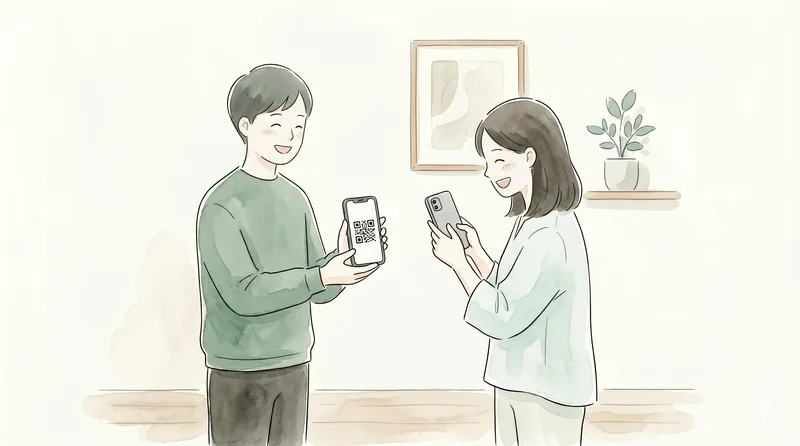
If one housemate works from home all day while another is rarely there, equal splitting for utilities starts to feel unfair. WariSaku's weighted splitting addresses this — assign a multiplier to each person based on their estimated usage level.
Example: 4 housemates, different schedules
| Housemate | Usage multiplier | Monthly share (of ~$270) |
|---|---|---|
| Works from home (high usage) | ×1.5 | ~$96 |
| Standard | ×1.0 | ~$64 |
| Standard | ×1.0 | ~$64 |
| Frequently away (low usage) | ×0.7 | ~$45 |
Set the multipliers once in the group settings. Every expense logged after that gets split according to those ratios automatically. The step-by-step setup is covered in the guide below.
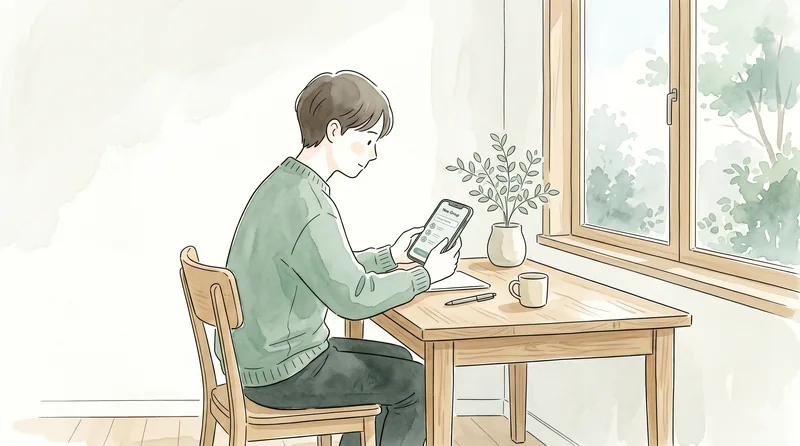 Related readWariSaku Complete Guide: Start Splitting Costs in Seconds — No Account Needed
CAUTION
Multipliers only work if everyone agrees on them before they're set. Talk it through at move-in or whenever the rules change, and document the result — a pinned note in the group chat, a shared document, anything everyone can reference. "But we never agreed to that" is much easier to prevent than to resolve.
Move-Ins and Move-Outs
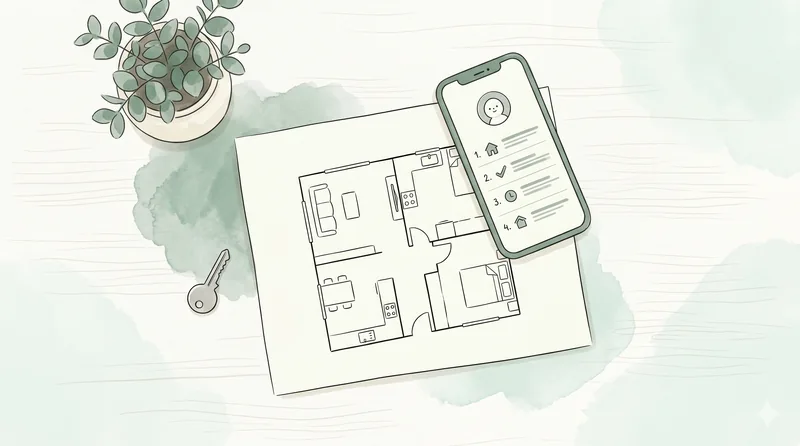
Transitions are where shared-house expense management most often breaks down. A few practices that help:
Before someone moves out: Check WariSaku together. Is there anything they've paid that hasn't been reimbursed yet? Anything they owe? Settle everything before they leave — not "we'll sort it out later," because they won't be around later.
When someone moves in: Share the group URL. That's it — they can see the existing expense history and start contributing immediately. No account setup, no onboarding.
For mid-month arrivals: For the move-in month, calculate their share proportionally (e.g., 18 days out of 30 = 60% of the full month's share). Enter their portion manually or as a separate expense entry with only them as the covered member.
WariSaku lets you delete and restore entries, so if someone's share was calculated incorrectly, it's fixable.
"I Never Agreed to That" Disappears When the Rules Are Written Down
Most shared-house money conflicts come down to "I thought we agreed on X" vs. "I never agreed to that." The fix is to write it down once, when everyone's present.
A short shared document or pinned message with these items covers most situations:
- Settlement date each month and payment deadline
- Which expense categories are shared and which are personal
- Whether usage-based multipliers apply, and what they are
- Process for reviewing multipliers (e.g., every 6 months, or whenever someone's schedule changes significantly)
- Move-in and move-out settlement process
When a new housemate arrives, show them the document. Takes two minutes, prevents months of friction.
Frequently Asked Questions
Q: How do we keep the monthly habit going?
The easiest way is to not let it become a big event. Log expenses on the day they happen — a 10-second habit. Then the 25th check-in is just confirming what's already there, not reconstructing a month from memory.
Q: Water bills come every two months. How do I handle that?
Log half the amount each month. When the bill arrives, enter half for the current month and half for the following month, noting in the description which billing period it covers. That keeps every month's burden even instead of one month spiking.
Q: A new housemate is moving in mid-month. How do we calculate their share?
For their first month, calculate a daily rate (monthly total ÷ days in the month) and multiply by the number of days they were present. Enter that amount as a separate entry covering only them. For subsequent months, they're in the regular cycle like everyone else.
Q: Can WariSaku be used for other shared living situations?
Yes. The features work for any group with recurring shared expenses — a family splitting household costs, a friend group that travels regularly together, or a small office sharing supplies and utilities. The group structure and currency support are the same.
Wrap-Up
Unlike a trip, shared-house expenses never "end" — which is exactly why willpower is the wrong tool. The only real trick to shared-house money is building a system that runs even when nobody is trying. Write the rules down, log purchases the day they happen, settle once a month. Put the routine on rails, and money stops being a topic housemates argue about.
Tonight, drop one question in the house group chat: "What day should settlement be?" Once that's agreed, sharing the WariSaku group URL is the entire setup.
Related articles

Home & Shared Living
How Couples Can Split Living Costs Without the Awkwardness
May 28, 2026

Home & Shared Living
How to Split Subscription Costs With Family or Friends (and What to Watch Out For)
July 4, 2026

Home & Shared Living
How Much Does It Cost to Move In Together in Japan? A Phase-by-Phase Checklist
July 4, 2026